How I learned to attune to me protective and judgemental parts
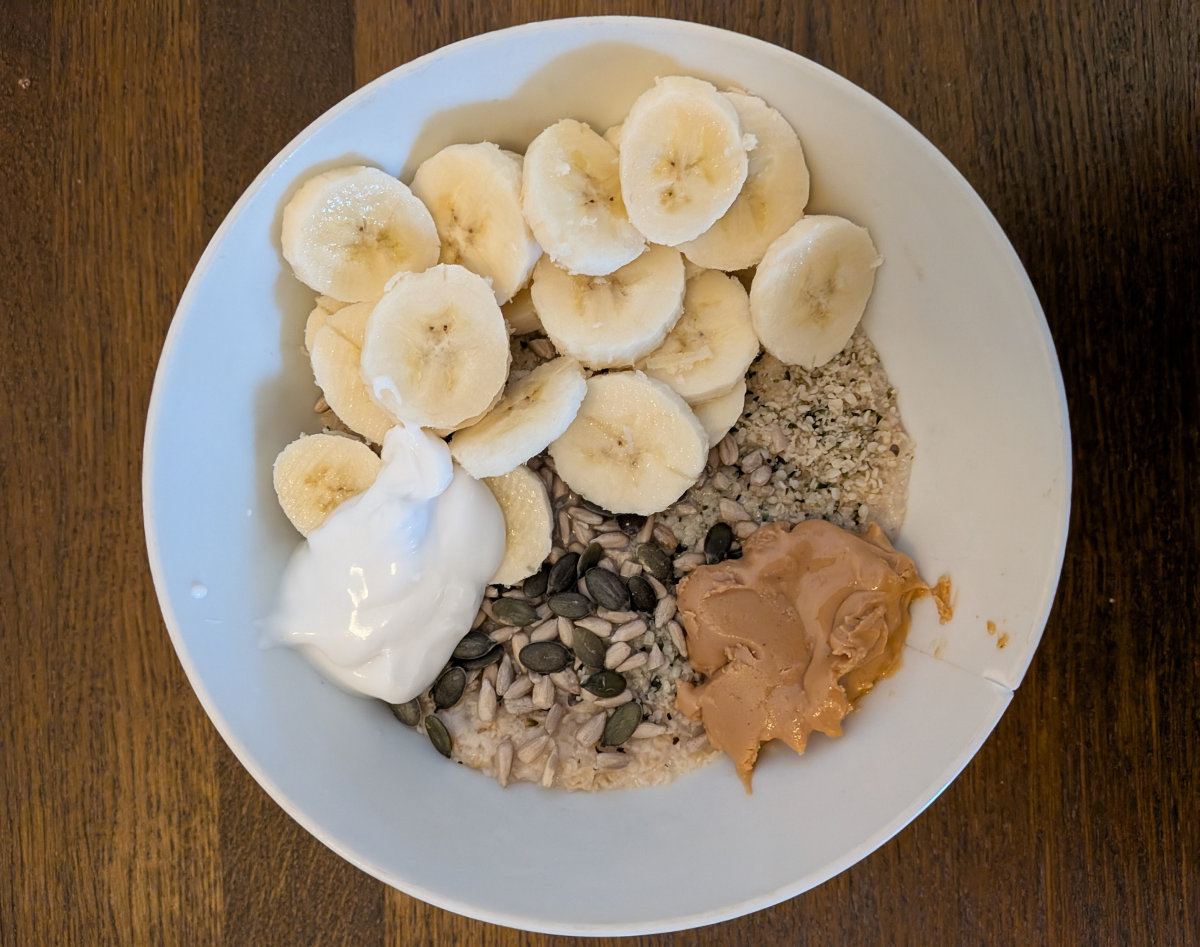
Recalling a time on solo silent retreat… I’m sitting on the sofa in my friend’s apartment, with full-length windows opening onto the balcony and the coolness of the winter air penetrated by rays of sun. Breakfast is oats, topped with peanut butter, banana, and coconut yoghurt, a favourite of mine. I take a moment to appreciate the scene, then go to finish eating quickly, feeling a sudden hurried pull. I get up with the thought ringing out in my head that I had somehow “done breakfast wrong.” I get back to meditating and trying to make the most of the retreat time.
Later that day, I’m practising walking meditation up and down the long corridor. The apartment is still and quiet; there’s barely a sound from the surrounding inhabitants. I step slowly on the carpet. My external world is calm and serene; my internal world is turbulent and chaotic as I start getting caught up in thoughts and emotions. Memories come to mind of times in my life when I felt like I didn’t act as well as I could. I start feeling a sense of guilt and shame. My mind seems to be gaining momentum in the way it presents these to me — one after the other, memory after memory. I see myself acting in an unkind way to others, failing to know things, falling short of the mark. It’s like my mind has taken the role of prosecutor and is presenting evidence at a trial to prove I’m a bad person. I can see a caricature of the proceedings: the lawyer holds up a memory for the courtroom to see, saying, “Here we have Exhibit A demonstrating just how unkind and uncaring Kynan is.” I see myself on retreat as the defendant, with no chance to speak.
I’d known a sense of self-judgement in everyday life as the driving force that pushes me both to do things well and to get things done. But the intensity and constancy of this experience surprise me. I realise how much I normally try to avoid or placate this pattern of criticism — either by turning my attention away, or by attempting to appease this part through trying as hard as I can. I’m also on retreat, so it’s not clear what I should do better to really succeed at breakfast, or how I can improve upon these memories of the past. I recall my colleague Upali telling me “everything that happens on retreat is good,” but I can’t find a way to fold this into that saying. The barrage continues. It seems genuinely bad and I feel like I’m actually a bad person. There’s a continual sense of pressure and frustration.
As the hours continue, I’m crushed under the weight of this sense of not being good enough. I do what I can to be mindful of the sensations and unpleasant feeling tone. The avalanche continues picking up speed, leaving me a wreck as the night draws on. I try skilful ignoring. Paying attention to the breath feels hopeless; investigating the sensations impossible. I curl up into a ball.
Then another memory surfaces: I’m ten years old and going to my very first extension class after being selected to represent my school. I’m so excited — I get whisked away to another school to meet other kids like me, hopeful to make some new friends. In the first class we do a science experiment — placing Smarties in a dish of water and observing the time it takes for the colours to spread and blend into new shades. In the excitement, I barely write anything down; at the end of the class they ask us to hand in our report. I quickly jot down a few notes and put my piece of paper in the pile on the teacher’s desk.
The next week I’m back at the class and the teacher has a stern look. The first thing they do is make sure everyone is listening. Then they hold up a piece of paper. I recoil – it’s my report from the last class. They say that this is inappropriate, unacceptable; this work is simply not good enough. My heart sinks. I’ve never felt so embarrassed and ashamed. I collect my piece of paper. I’m crushed. I never tell my parents, or anyone. I continue with the class, but I’m just going through the motions. The spark has been lost.
I internally vow to never let this happen again. I make sure that anytime there’s something to do, anything that might be judged or assessed, it will be done well enough that I won’t have to feel this way. This is a big job that part of me takes on: to always be good. To push myself so that I won’t be caught out by others.
Seeing this memory has a different feeling. I stop trying to observe the sensations from a distance and fully embrace the felt experience with compassion. My heart opens for this younger self. I sit with him and hear his frustrations. I recognise that bright-eyed ten-year-old and can see that he was just trying his best. It was at best an honest mistake, and at worst he was set up to fail by the adults who expected things without giving clear instruction or support. It’s clear that he didn’t deserve that, and I don’t deserve that. I hold these feelings, lovingly attuning to all this pain and difficulty.
Suddenly I can tune into why there’s such a strong sense of wanting to do things well. I see how this part of me pushes to do well to avoid feeling embarrassed and ashamed. This part of me formed to prevent this hurt. It uses internal criticism to never be caught out. It believes that I need to always be striving to do better to live up to some unreachable standard. I can see how hard this part is working. I feel its pain and exhaustion — all alone in this endless battle to always be better. I understand why it believes this is the only way forward. I feel a tenderness and warmth towards this part of me.
The lawyer, the inner critic, eating my breakfast wrong — all the same movement of protection. Each a pattern of trying to pre-emptively do something better in order to not feel judged, hurt, or attacked later. This part of me just wants to be seen and understood, to know that it isn’t alone. I offer appreciation for how hard it has been working for me. The part, previously so hard and jagged, softens and melts. The intense self-criticism shifts into understanding. I offer kindness and love to this part of me, welcoming it when it arises, appreciating its good intentions. With this, a long-neglected aspect of my being moves towards integration. I feel the spark of being alive and playful return, even if just to enjoy my breakfast and kick my legs as I sit in the sun.
I found my way through this by accident, while suffering more than I needed to. I wish I’d had a map of how to meet my parts through relationship. In the upcoming Liberating Feelings online workshop we’ll explore together how to bring the relational dimension of parts work into meditation.