Pointing out the path through the mist

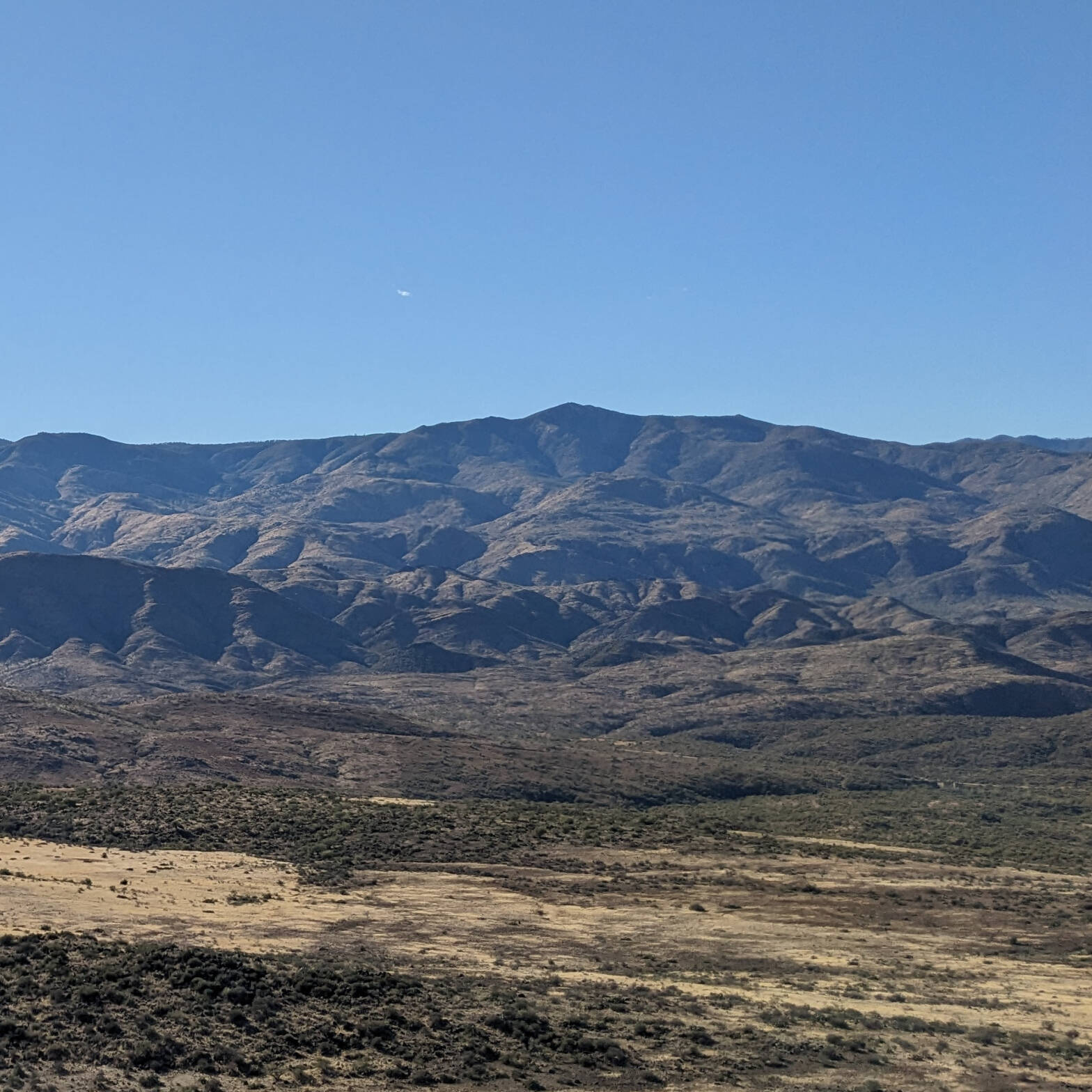
Imagine yourself atop a misty mountain, fog obscuring every direction. As you stand here, you know the terrain is complex — mountains and valleys, rivers and ravines. You gaze around and see only haze. Peaks rise over clouds, the way there shrouded in mystery.

“Wow, that’s some nice mist. Now mist that nice must be covering something pretty specky.”

Climbing a mountain in Liuzhou, from the series “Picture Book of Chinese Poems (Toshi gafu no uchi)” by Totoya Hokkei
Original public domain image from Art Institute of Chicago

You know that you aren’t on the highest peak, yet it was a long climb to get here. It took everything you had, for all of your life, to move higher, to do better. Hesitant to begin descending, you take off your bags. You get cosy where you are. Thoughts arise in pensive moments: “well, this isn’t so bad, I’ll just make the most of this” as you open a can of beans from your stash. You’ve become stuck in a good place. Then something calls to you. The possibility of higher peaks. More mountains to climb. To more deeply know yourself. To see what you are capable of. To experience the full range of freedom and meanginfulness.

When you go to take the next step you realise it must be downwards. Stepping down is awkward and your feet hurt when landing on uneven rocks. Trying anything from here is a tad uncomfortable. Whatever comes next challenges you and makes you question whether to stay or try for the next peak.

This is where a guide comes in handy: someone who’s been to a higher mountain can share tales of that place, the path to get there, and what the view looks like from the next peak.

To follow the guide you have to be willing to trust — to set off on a journey that first leads down the mountain, then hopefully up the next one. You commit to following the path long enough to really see if it leads to a higher mountain. Without momentum, you’ll take a few steps then turn back. A good guide instils trust and confidence that each step has its place in the whole journey.

Rediscovering the Joy of Being Taught

For a long time, I attended teachings but they somehow didn’t land. Even when talks were interesting and enjoyable, I sat thinking “this won’t change my meditation tomorrow.” Worse yet, techniques would get mixed and I’d find myself looking for landmarks that were off in the other direction entirely. Something changed in the past 18 months. I’ve attended retreats and workshops where the teachers were doing something genuinely different. I rediscovered the joy of being a student and having things to learn. I delighted in the voyage to get to the next peak.

One time I was learning a new framing of the practice of calm abiding. I was already very familiar with this practice from another set of teachings. I found the first few meditations challenging — I was grinding through, trying to make sense of it, comparing and contrasting to what I already practised, thinking I’d made a mistake to ever leave my cosy hilltop. I was homesick. Realising that this was a golden opportunity right in front of me, I gave in to the new instructions; I trusted the guide. Once I stopped resisting, I quickly landed in effortlessness — not through sitting a long time as I had been taught, but through following elegant, efficient moves. This felt experience of tranquility is now right there, just a few steps away.

Rather than learning from a book, I was being welcomed into a new landscape and invited to play there. I was given new frameworks and maps, but more importantly, I was told where to step so I could feel it in my body. I could sense, in real time, how my understanding shifted and opened up.

From this experience I realised I could do more to show others the views I’d seen myself.

The guide first meets you exactly where you are. Then they point out the way to the next vista. Each step unfolds into the next. When you really land in where you are, the questions begin to form of where to go next, the fog opens up with each step you take until you are steady on the path under your feet.

Meditation Workshops

Let’s unfold a path of meditation that feels alive in your bones. We can walk the trail to the next summit.

My new offering is Meditation Workshops — a full day deep dive. The ask is a full day of your time for a chance to explore the teachings, coming out with a view from the top of a new mountain, and a map to guide you back there.

Feb + Mar — The Elephant Path of Calm Abiding
Apr + May — Exploring Imaginal Practice
Jun + Jul — Meditation, Emotions, and the Nervous System
Aug + Sep — Cultivating Insight Through Ways of Looking
Oct + Nov — Insight into Emptiness and Nonduality
Dec + Jan — The Freedom of Spacious Awareness

These are on the first Sunday of the month, alternating in-person and online. There’ll be a curriculum with teachings on specific topics: instruction, guided meditation, q+a, practice pod chats, plus recordings and resources. Lots of chances to get support and guidance. Coalescence Sangha will also explore each theme in the lead-up to each workshop.

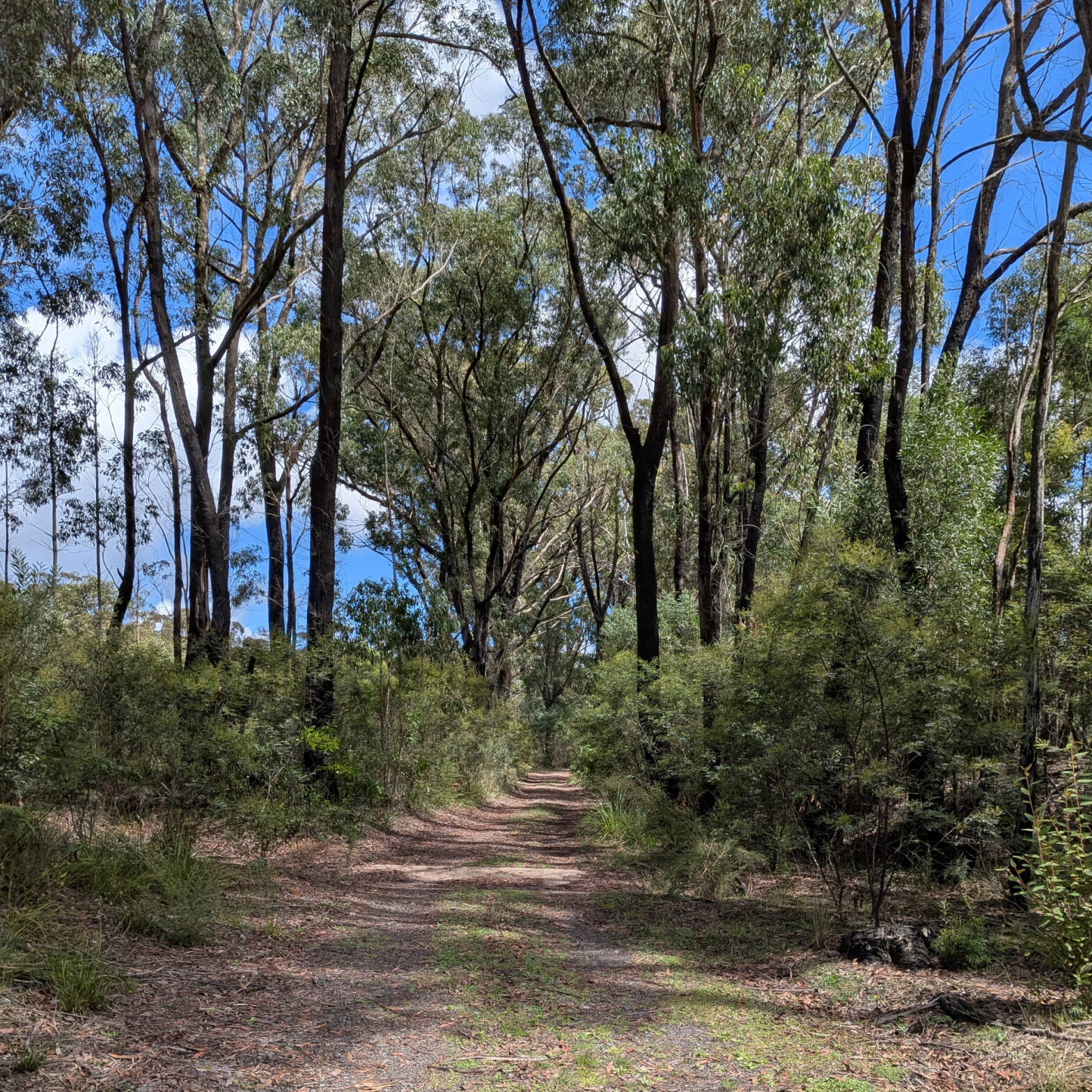
Okay that’s enough talking, let’s go explore some trails. I’ve got the map and I’ve packed plenty of snacks. Come join me and I’d love to show you some of the views that I’ve had the pleasure of exploring.

Spaciousness with Stability

The practice of calm abiding culminates in effortlessly stable attention — you sit and focus, returning again and again, until it becomes automatic. There’s also a way to begin with effortlessness. Start by opening to effortless spacious awareness. Release the body and mind. Drop all effort, relax to the max, give up. Rest as the awareness that is already here and knowing. From that place of spacious ease, gently intend to care about the body. Through just the slightest intention, the body appears brightly and vividly in the foreground. Attention is stable without tension nor doing. Let go of everything and rest into the body.

Easing Into Effortless Calm Abiding

The path of calm abiding leads to effortlessly stable attention with equanimity and tranquility. A key to this part of practice is first building up to complete staying and then, when the time is right, easing up in effort. This easing up is a releasing, softening, and relaxing in such a way that the practice starts to flow by itself. Because of all the work done to establish stable attention and bright metacognitive awareness, the mind can, with only the slightest intention, rest into the body. This occurs at stage seven of the elephant path. You will ease up gradually, bit-by-bit, noticing if distractions again interrupt your continuity. When this works, it feels like the less you do the more focused you become, that there is no difference between meditation and non-meditation, and that there is a profound background stillness.

Calm Abiding with Whole Body Breathing

This practice uses the breath in the whole body as a technique to lead to completely staying with the meditation object. In the Stages of Samatha, the transition from Stage 5 to Stage 6 is accomplished through bringing more curiosity (intensifying) until there is an increase in sensory clarity. This then allows for *complete staying* with the meditation object, where there is exclusive attention that no longer scatters or alternates to distractions. Here we use the whole body as the meditation object and then notice the subtle level of sensation, then opening to noticing the breath through the whole body. This leads to a quality of engagement and interest where the body is seen as rich and complex, often becoming a cloud of sensation or waves of energy rather than something solid and fixed. Practising at this level cultivates more calm and clarity than is commonly though possible — the mind becomes both more at ease and brighter than in typical conscious experience.

At Home in the Whole Body (Meditation and Talk)

Guided meditation 30 minutes, talk 4 minutes.

Through meditation practice, we can make the body a comfortable place to be, relating to the body in such a way that the body feels like home, no matter where we are. Even when there is pain, discomfort, or tiredness, the body can be a place to rest and settle. This practice explores using whole body awareness as the meditation object. This whole body awareness includes all of the sensations of the body, as well as tuning into the overall texture or felt sense of the body space that can be rich, complex, murky, and have a more-than-words quality. Use whole body awareness as your practice of calm abiding, or use this as a support to insight, open awareness, or imaginal practice. By opening to the whole body and resting here, you can gradually cultivate a sense of settling, ease, and okness — deeply shifting the state of the body towards rest and nervous system regulation, while also shifting the relationship with the body such that whatever arises can be held in awareness with equanimity.

What do you yearn for?

In this practice you will be invited to consider deep questions about your practice, what you love about the path, what it is you yearn for, and what the next step you can take is. This can be a welcome refresh of intentions or provide an antidote for when practice feels stuck or lacking inspiration. Importantly, these answers don’t need to be final and also don’t come from a place of thinking, but instead are felt as arising from deeper in the being. In this practice you are guided to do this through a gradual relaxing and focusing, coming into the body and tuning into the felt-sense of the whole body space. The self-guidance compass is the sense of trust and confidence that the practice is unfolding in the way it needs to, being cared for appropriately and leading you in the direction you would like to go.

Balancing Effort

Effort is a key aspect of meditation practice. Too much effort and the practice becomes tight and frustrating; too little effort and practice becomes slack and directionless. Progress, especially in calm abiding (śamatha) practice, is greatly aided by finding the right balance. In the Elephant Path, this is done through phases of intensifying, where more curiosity is brought in and the meditation object is engaged with more and more, then phases where the practice becomes about easing up until a balance is reached. This practice explores alternating between strong effort and ease, gradually settling into an eased up effort that is both calm and clear. The possibility of continued practice is effortless effort — where the mind stays with the meditation object just through the slightest intention and everything arises and ceases brightly and clearly, without any doing or paying attention whatsoever.

Roomy Awareness

This is an equanimity practice accessed via resting as spacious awareness. While awareness is sometimes felt as spacious, it is other times felt as roomy, meaning that it has enough room to hold whatever arises. This roominess is about allowing whatever is present to be there, held within this field, rather than getting contracted or stuck with a particular sensation, thought, emotion, or sense of self. You can also take a universal view, tuning into the vast expanse of the universe that is all-encompassing, and noticing that the universe itself doesn’t reject anything — everything is accepted and welcomed in the universe. Eventually this acceptance allows everything to be like rain drops falling into the ocean, everything is held and melts into awareness.

The Many Facets of Rest

Rest for the benefit of all beings.

Rest, while under-appreciated in our culture, is an essential part of being human. When we rest, we recover resources and capacity that allows us bring goodness forward. Well-rested, we show up with presence, patience, and kindness. This practice explores this intention and how we can practice towards rest, gradually doing less and less, resting more and more into our deepest nature. Beginning with setting a Presence Anchor and finding a sense of grounding, you will then use the breath as a tool to allow the mind to gradually calm and settle. The breath then becomes a tool to rest more deeply into the body, continuously releasing into this embodied presence. Finally, you rest as awareness — without doing anything, without meditating at all, you can rest in complete effortlessness. Rest as this awareness which is totally eased up yet brightly knowing.

Thinking as Flow of Sensation

Thinking is a gift. Thinking enables us to live in this world and to act compassionately. We don’t want to stop thinking. However, we do want to make sure that thinking doesn’t obscure, that it doesn’t get in the way of us practising and contacting deeper levels of experience. One way to do this is to try and calm the mind. Another is to see through the thoughts, so that even the act of thinking doesn’t get in the way. Here we tune in to the sensory aspect of thinking, examining how thoughts can be parsed into mental image, mental sound, and feeling. You’ll use imagination to kickstart this process and get familiar with how you experience thought. Then you can observe thought like watching a mental TV — observing what is happening without getting attached or treating it as fixed and solid. Finally you can rest as the knowing awareness in which thinking arises, tuning into the field of pre-thought knowing as the ground of being.